


What to do in Queenstown in summer?
Six places that make the most of Queenstown’s long light, from alpine tracks and quiet water to wine country and Fiordland.
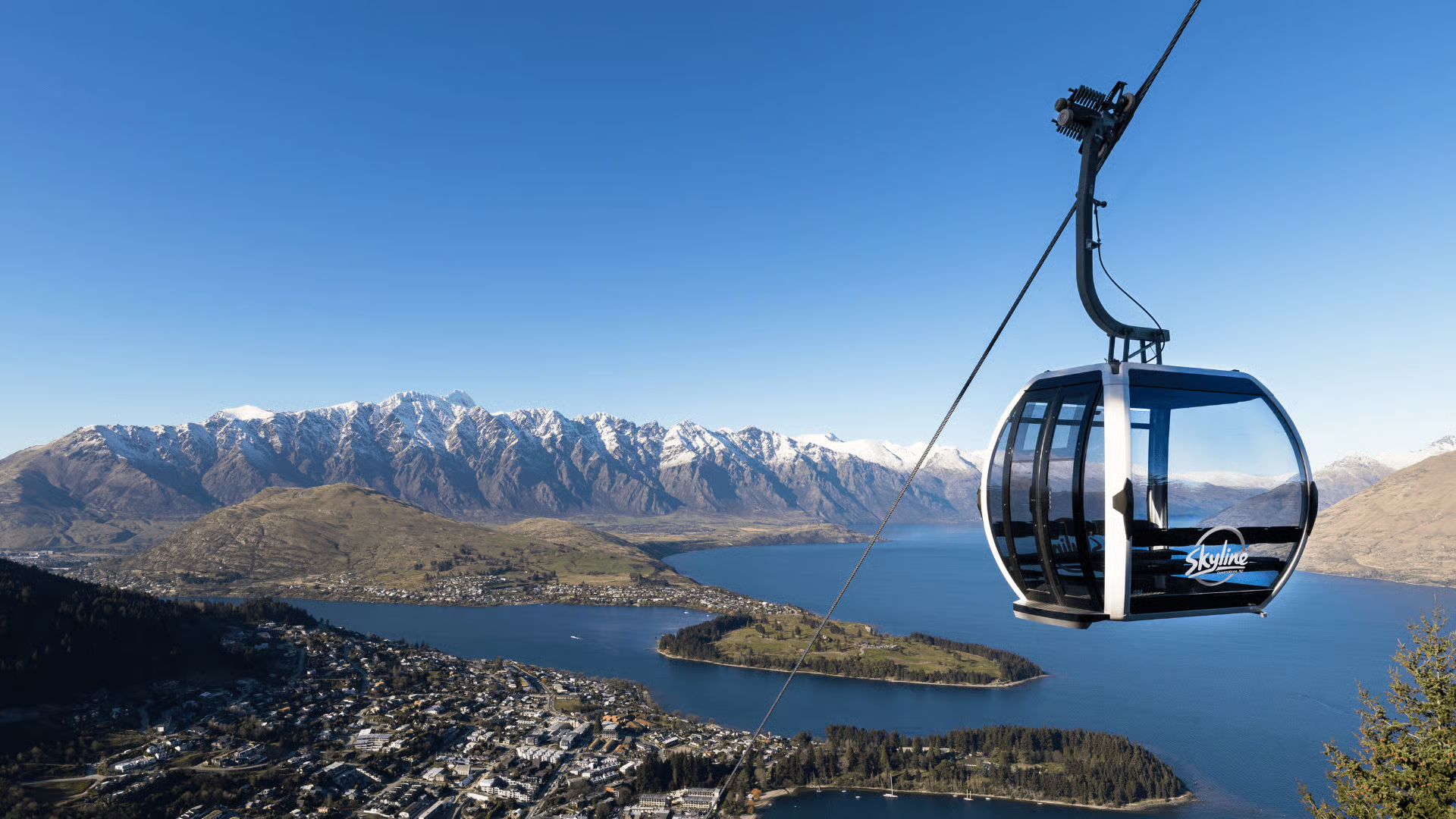
The single most underrated fact about a Queenstown summer is the light.
In late December, the sun is up before six and still catching the tops of The Remarkables at half past nine. You are not choosing between the drive and the dinner, or the lake and the vineyard. You have the hours for both.
For travellers who are time-poor for eleven months of the year, that is not a small thing. It is the whole argument for coming in the southern summer rather than the northern one.
The trade is people. Queenstown between Christmas and mid-February is the busiest it gets, and the difference between a good trip and a memorable one comes down entirely to where you point yourself. These are the six destinations we would build a summer itinerary around, and the reasoning behind each.
1. Glenorchy, Paradise and the Dart Valley
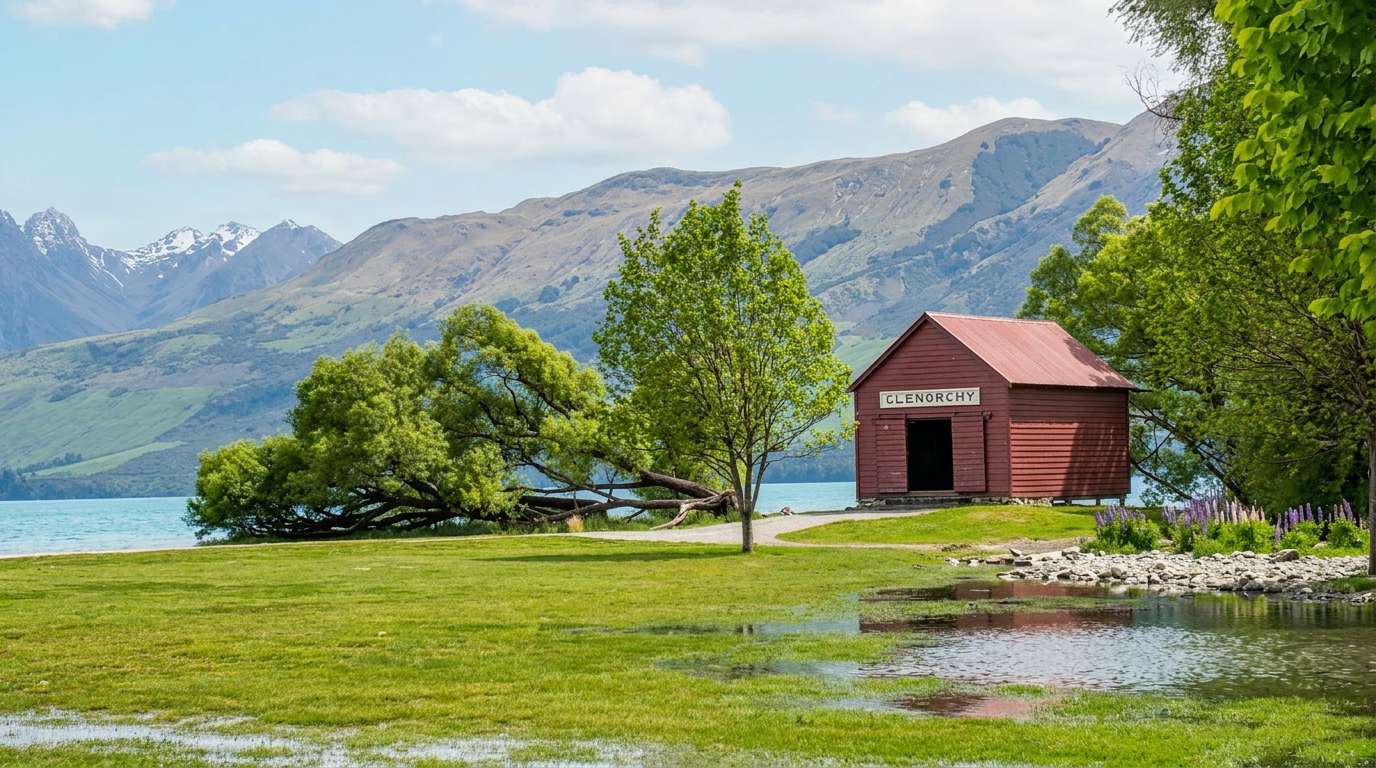
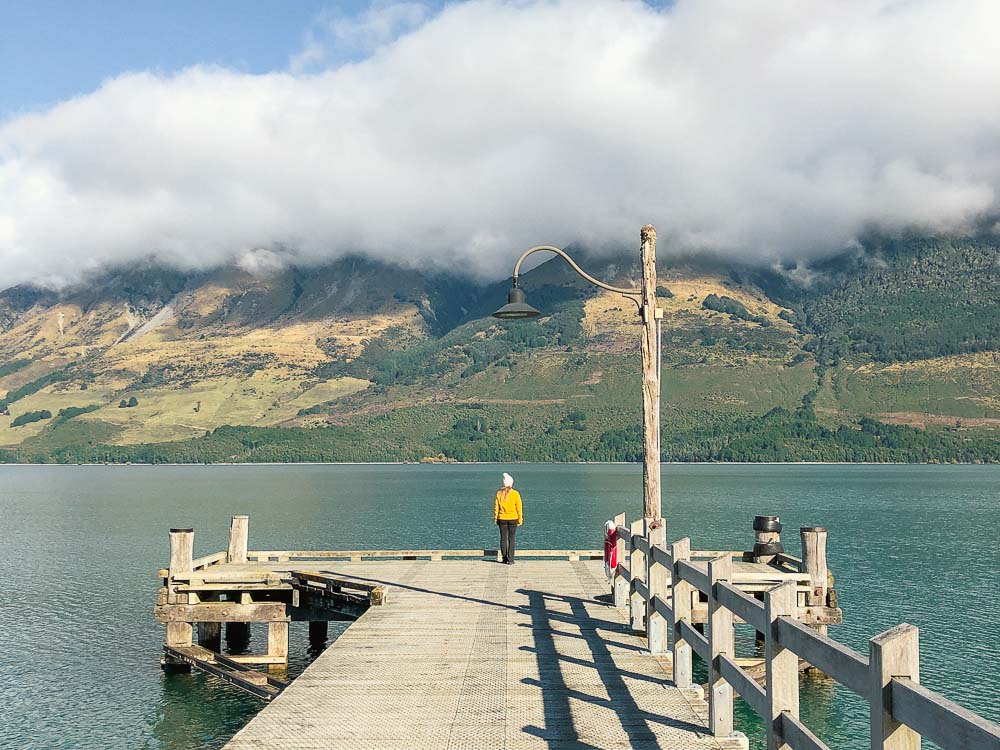
Forty-five minutes north-west of Queenstown along the shore of Lake Wakatipu, on a road that has no business being as good as it is.
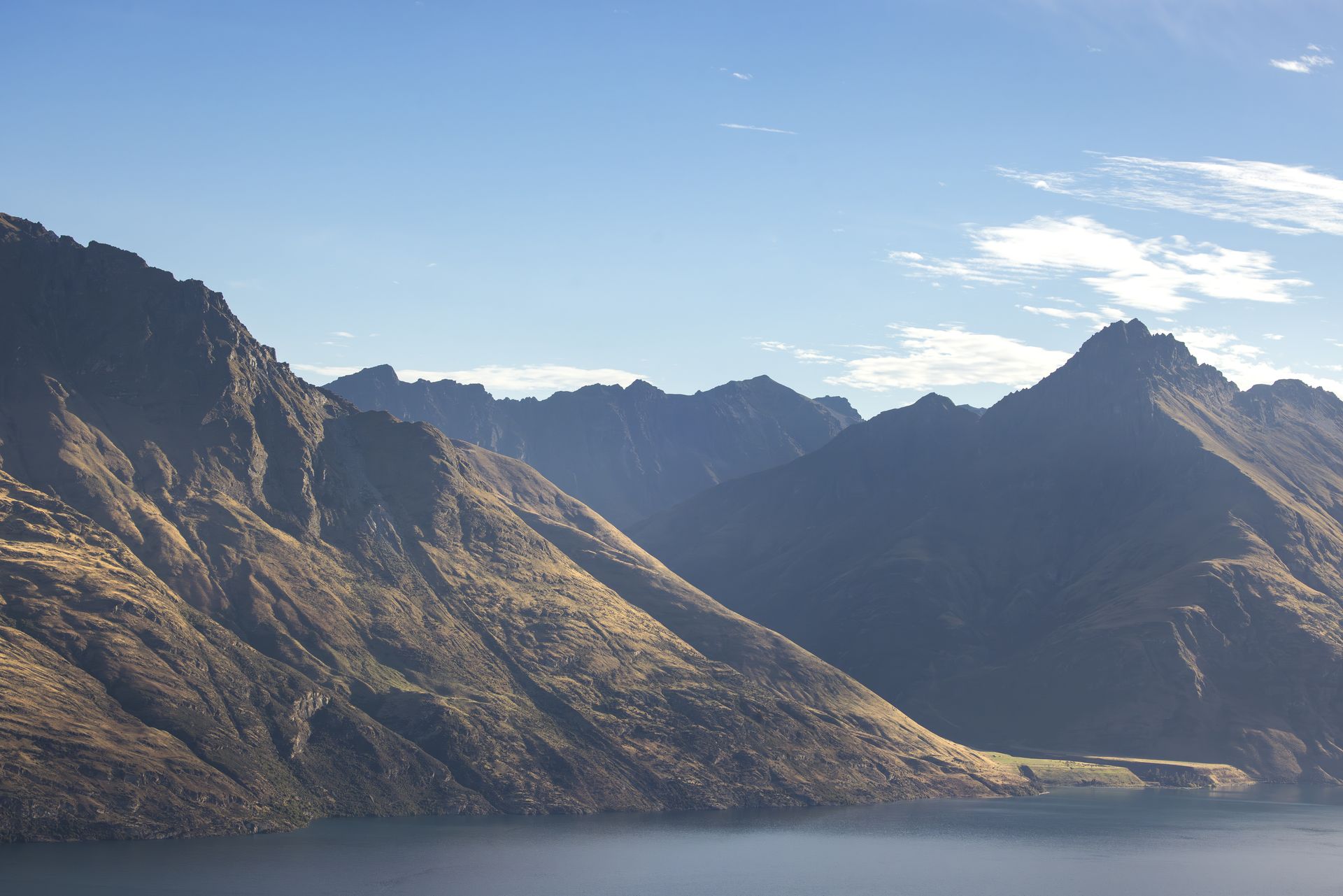
Glenorchy is where the valley stops being a resort town and starts being back-country. The lake road hugs the water the whole way, and beyond the village the gravel continues to Paradise—a place name that is, unusually, entirely literal—and on into the Rees and Dart valleys.
This is the landscape that has stood in for Middle-earth and a good deal of other invented country, and it holds up in person in a way film locations rarely do.
Summer is the season this opens up properly. The valleys are accessible, the braided river beds are exposed, and the jet-boat and horse-trekking operators run at full tilt. It is also the season the road is busiest, so go early. Leaving Queenstown at seven means having the first hour of the drive largely to yourself and being back for a late breakfast.
2. Bob’s Peak and the Tracks Above Town
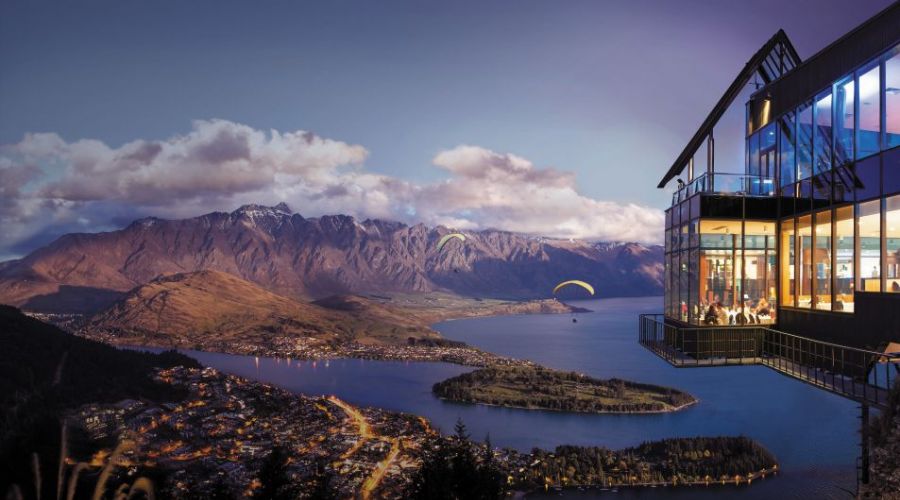
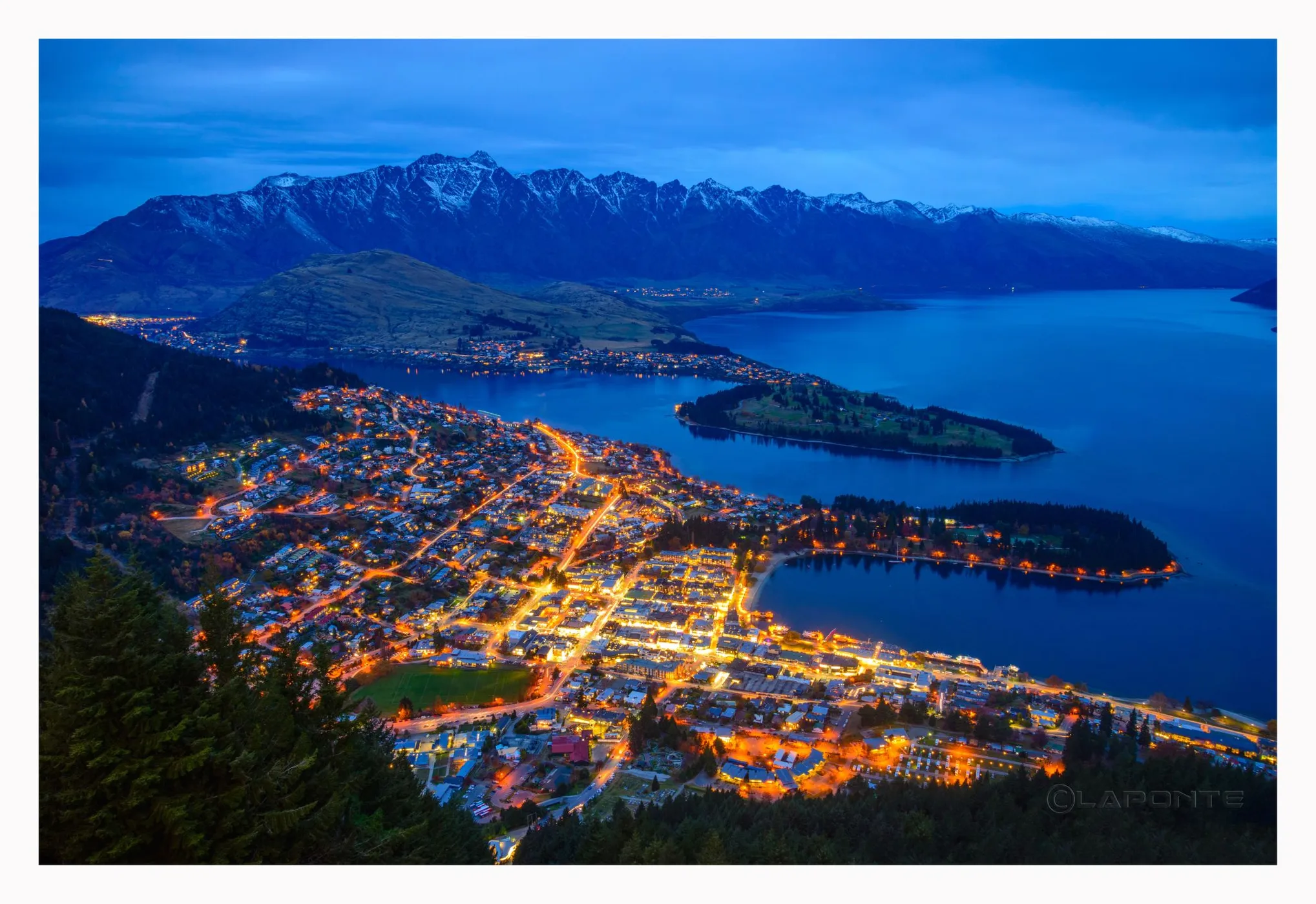
The best view in Queenstown is four hundred and eighty vertical metres above the main street, and there are two entirely reasonable ways to reach it.
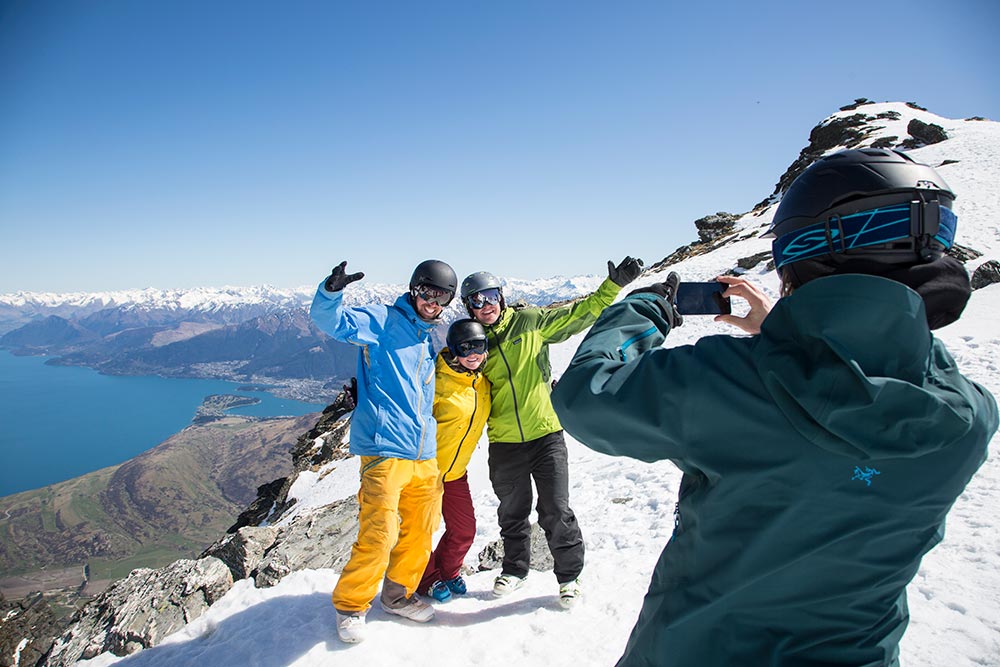
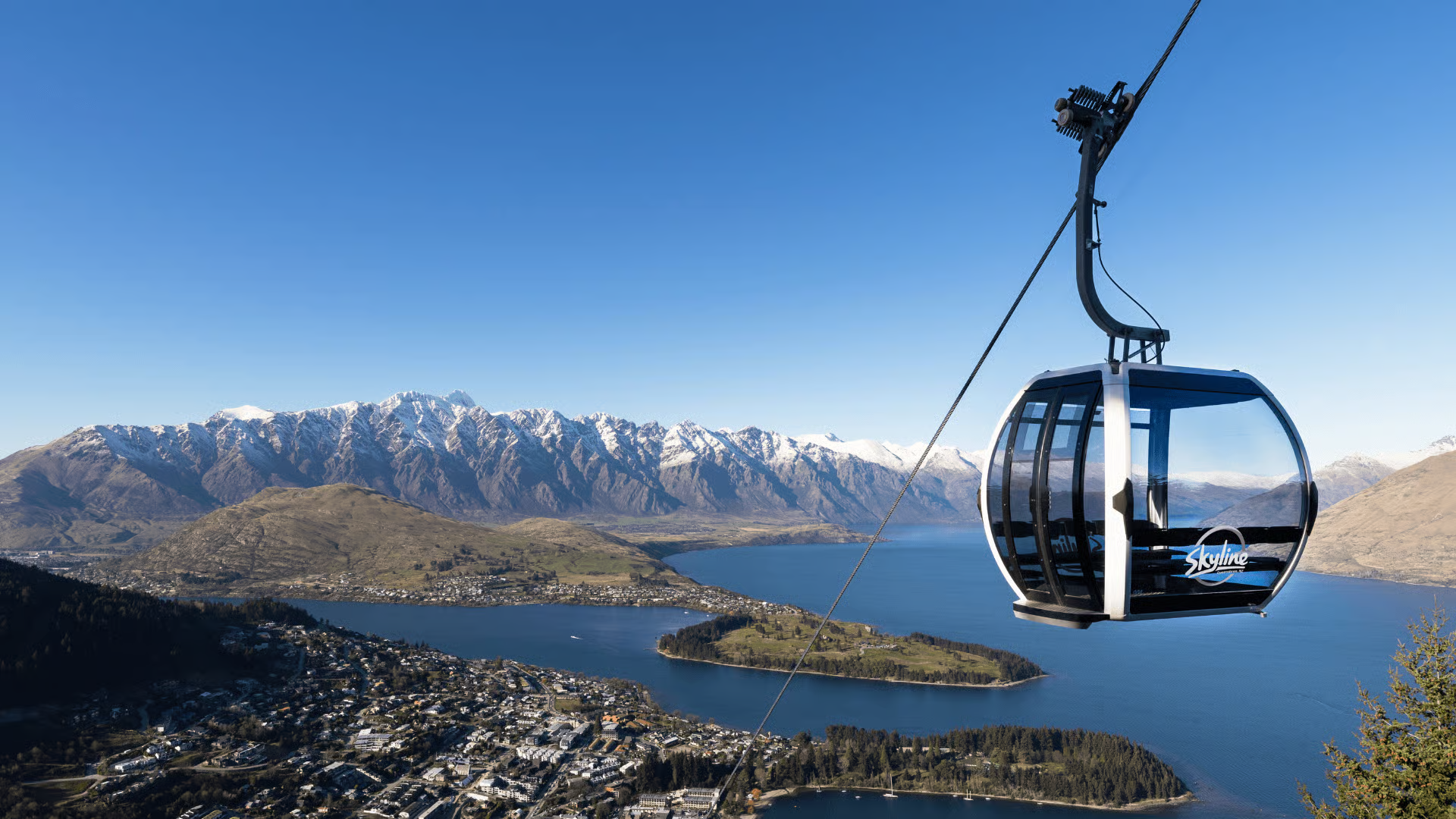
The Skyline Gondola has been running to the summit of Bob’s Peak since 1967 and is the steepest cable-car lift in the southern hemisphere. Five minutes, and you are looking at a 220-degree panorama taking in Coronet Peak, The Remarkables, Cecil and Walter Peaks and the town below.
It is the single most efficient thing you can do with half an hour in Queenstown, and it is genuinely worth doing on your first morning because it makes sense of the geography for everything that follows.
The other way is on foot. Ben Lomond is the serious option: six to eight hours return from town, or five to six if you take the gondola to the trailhead and start higher. It is an alpine day and should be treated as one, with proper footwear, weather layers and an early start.
Queenstown Hill, or Te Tapunui, is the more civilised proposition: three kilometres and a five-hundred-metre climb from Belfast Terrace, two to three hours return, and a view over the basin that most visitors never bother to earn.
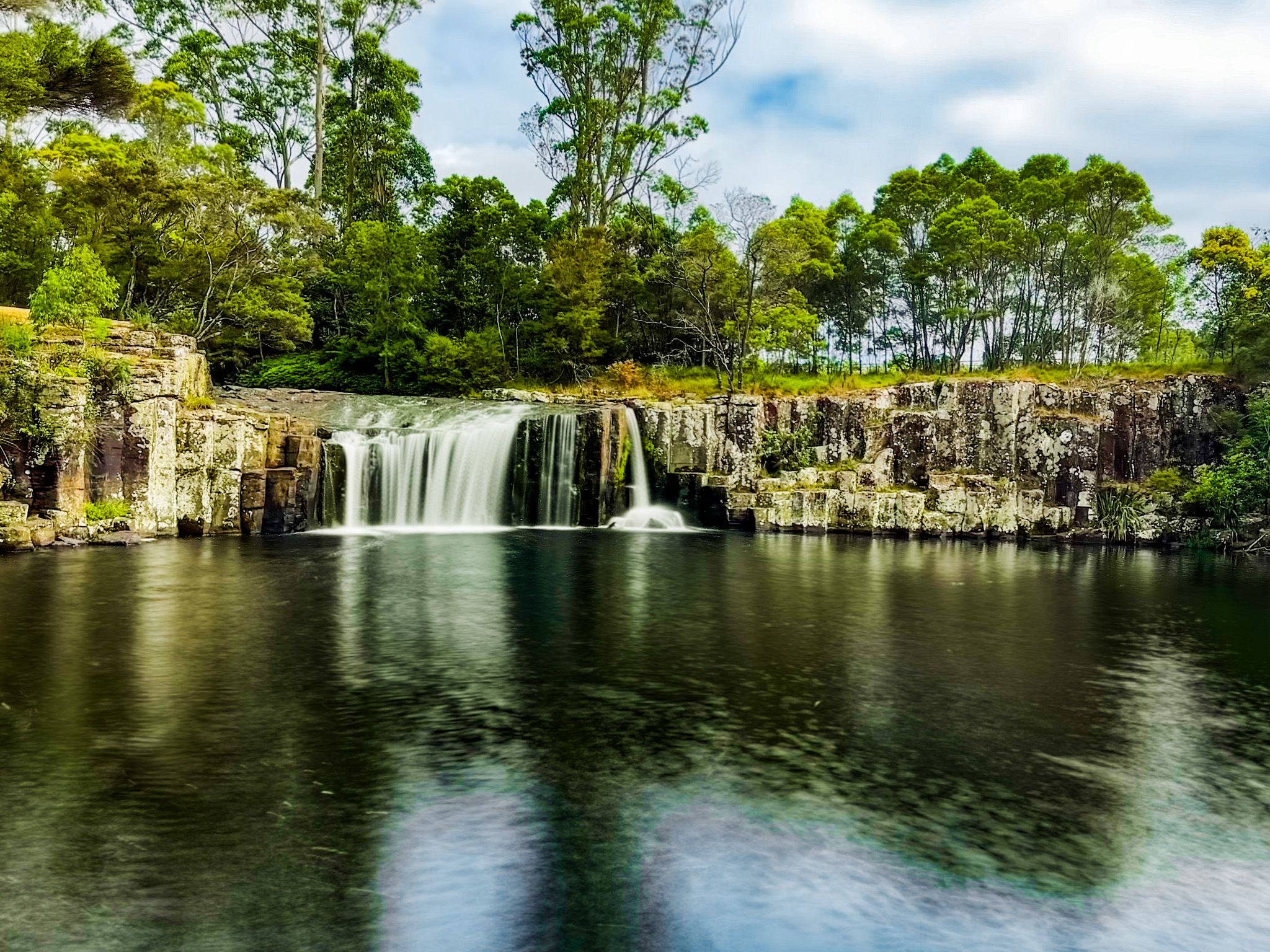
For something gentler, the walks along the lake and into the creeks are the region’s quiet strength. Sunshine Bay is a level lakeside path through native bush, under an hour return, with a short side track to the eight-metre falls on Two Mile Creek.
The Mt Crichton Loop is ten minutes’ drive from town and follows a creek past waterfalls and through beech and mānuka forest, taking in Sam Summers Hut, built by a gold miner in the 1930s and still standing. Bob’s Cove is ninety minutes return through bush to water that is an implausible shade of blue, and the Moke Lake loop, fifteen minutes from town, is the one to save for a still evening.
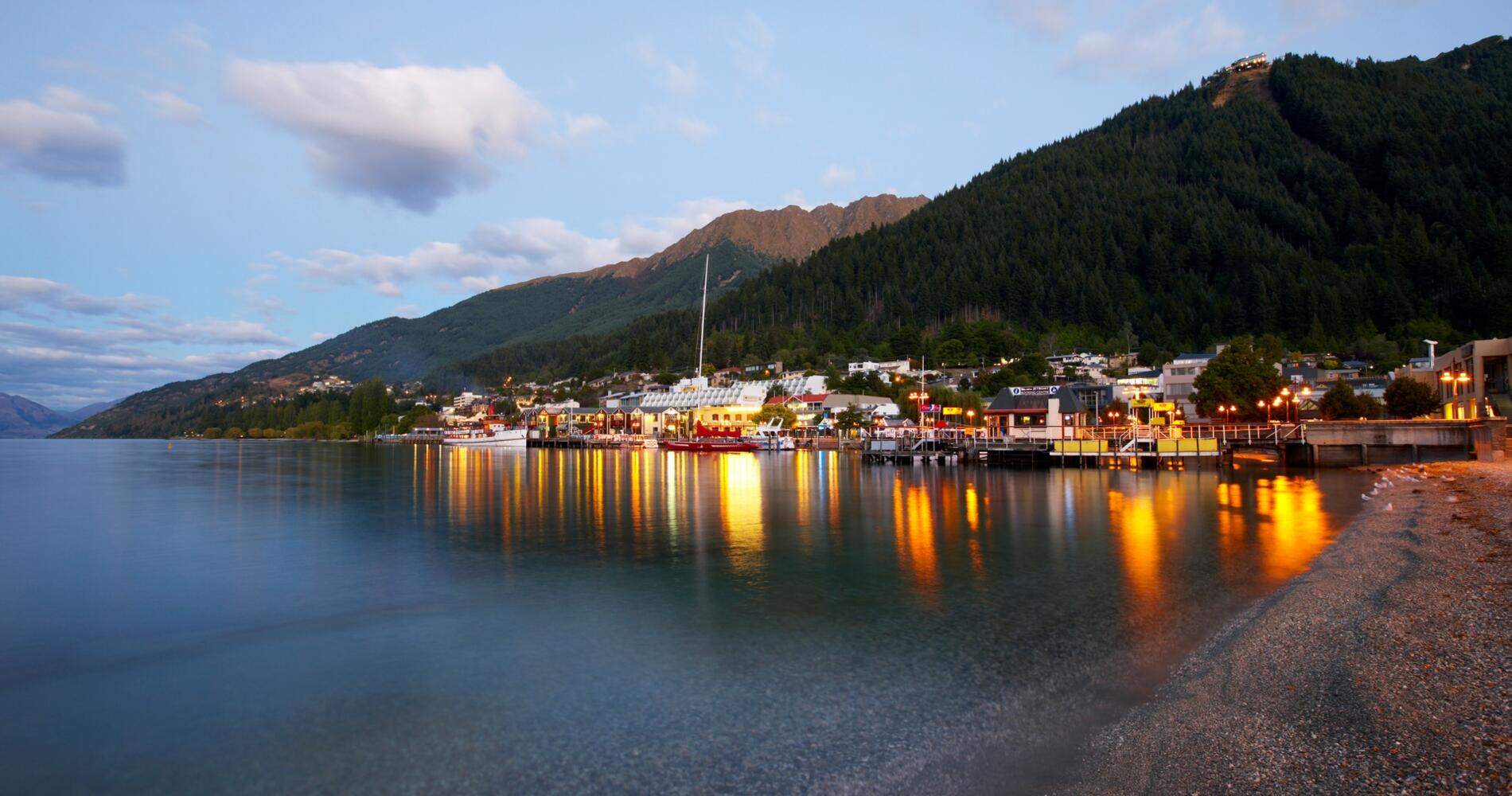
3. Lake Wakatipu Itself
Most visitors look at the lake for a week and never actually get on it.
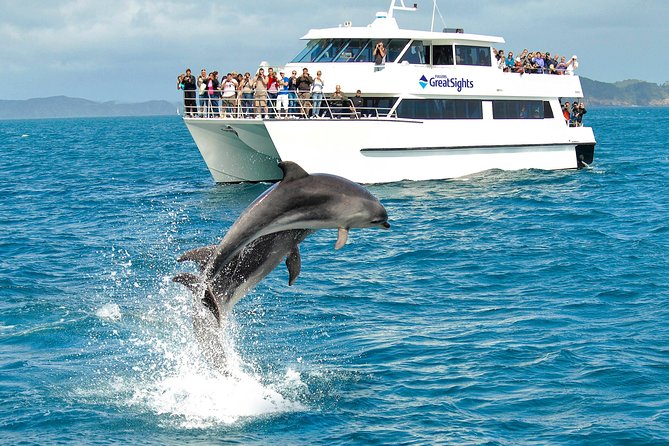
Lake Wakatipu is eighty kilometres long, glacially deep and, at the height of summer, still cold enough to be startling. The TSS Earnslaw, a coal-fired steamer that has been crossing this water since 1912, runs to Walter Peak on the far shore, and the crossing is one of the few genuinely unhurried hours available in a town built on adrenaline.
There are also private charters, which is the version we would recommend to anyone who values a quiet deck over a commentary.
The lake is also the reason the weather turns as fast as it does. Wakatipu generates its own conditions, and a flat morning is not a promise about the afternoon. Anyone heading out on the water or up a track should plan accordingly.
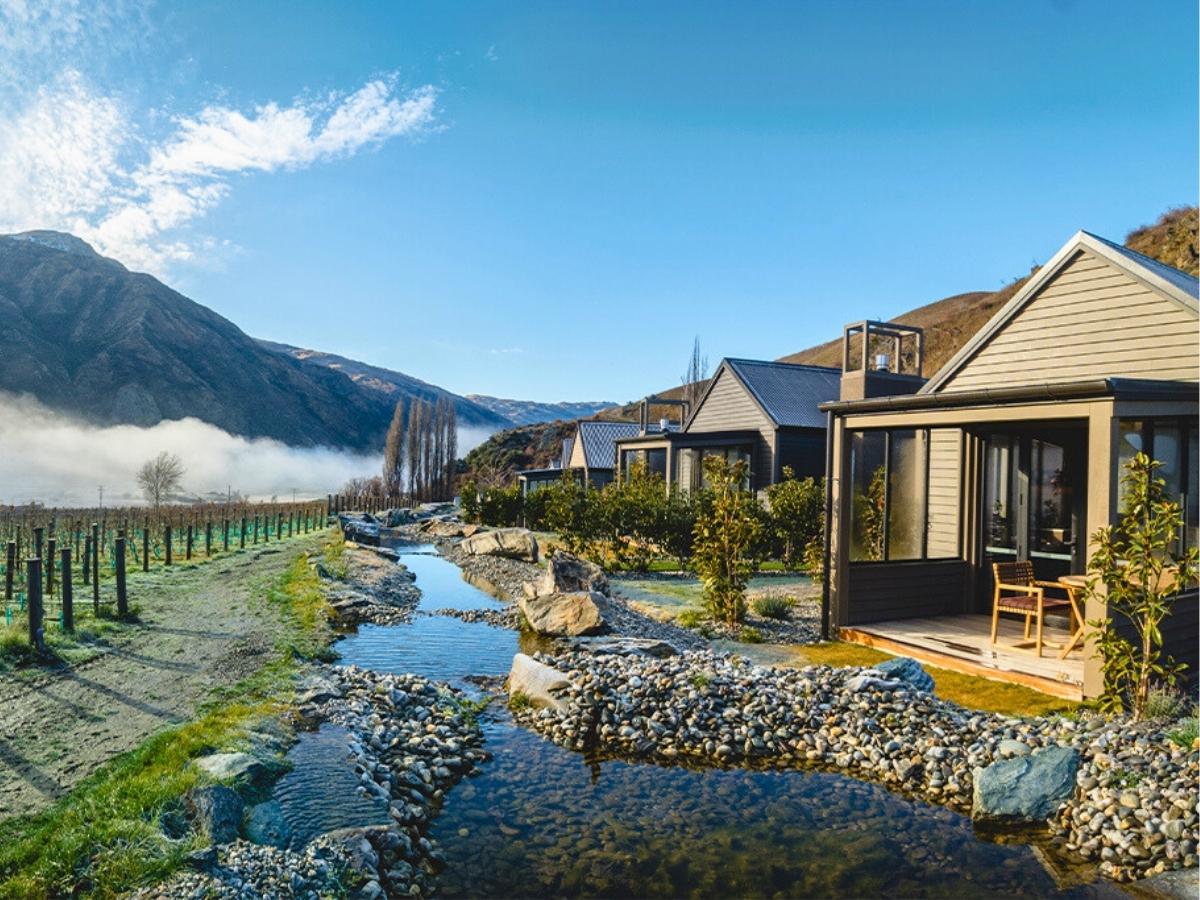
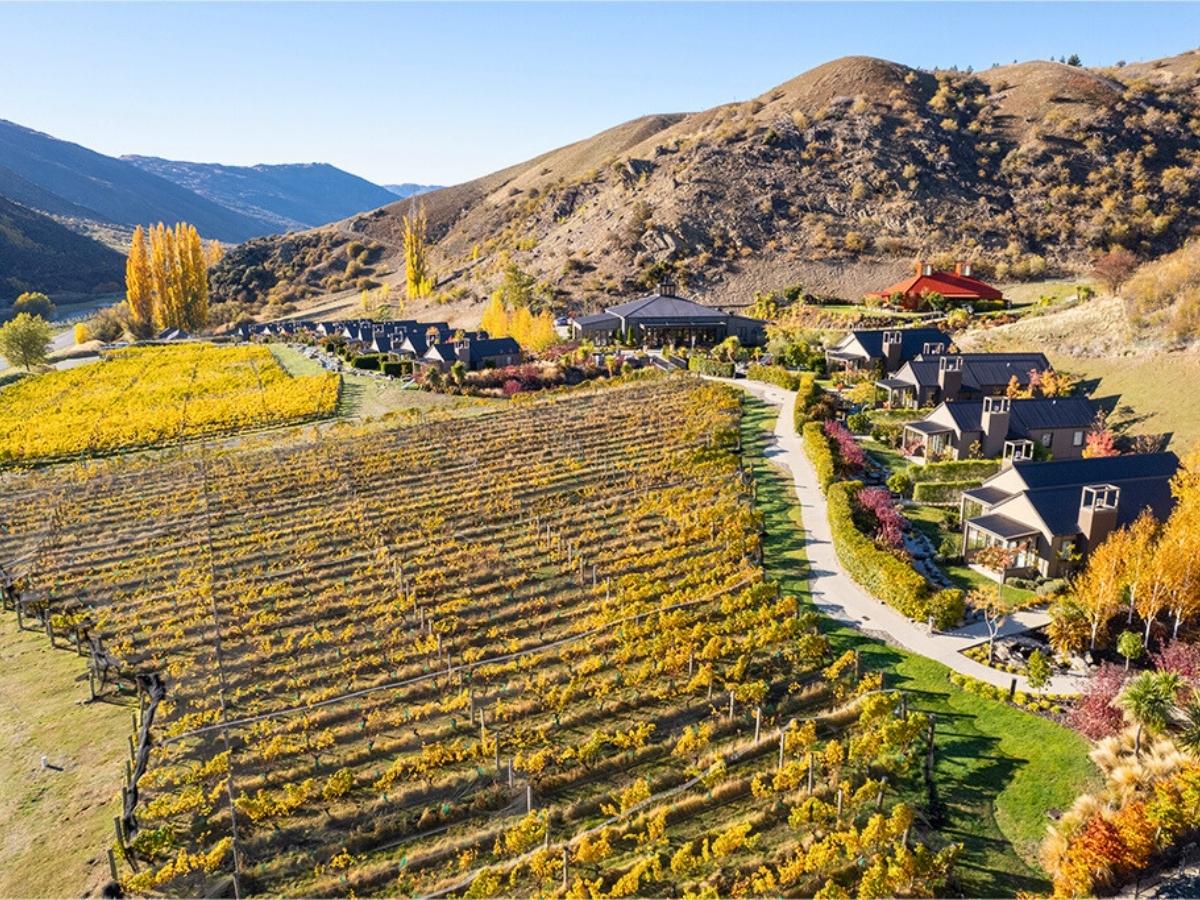
4. Gibbston Valley at Harvest
Twenty-five minutes east through the Kawarau Gorge, and increasingly the reason some travellers come at all.
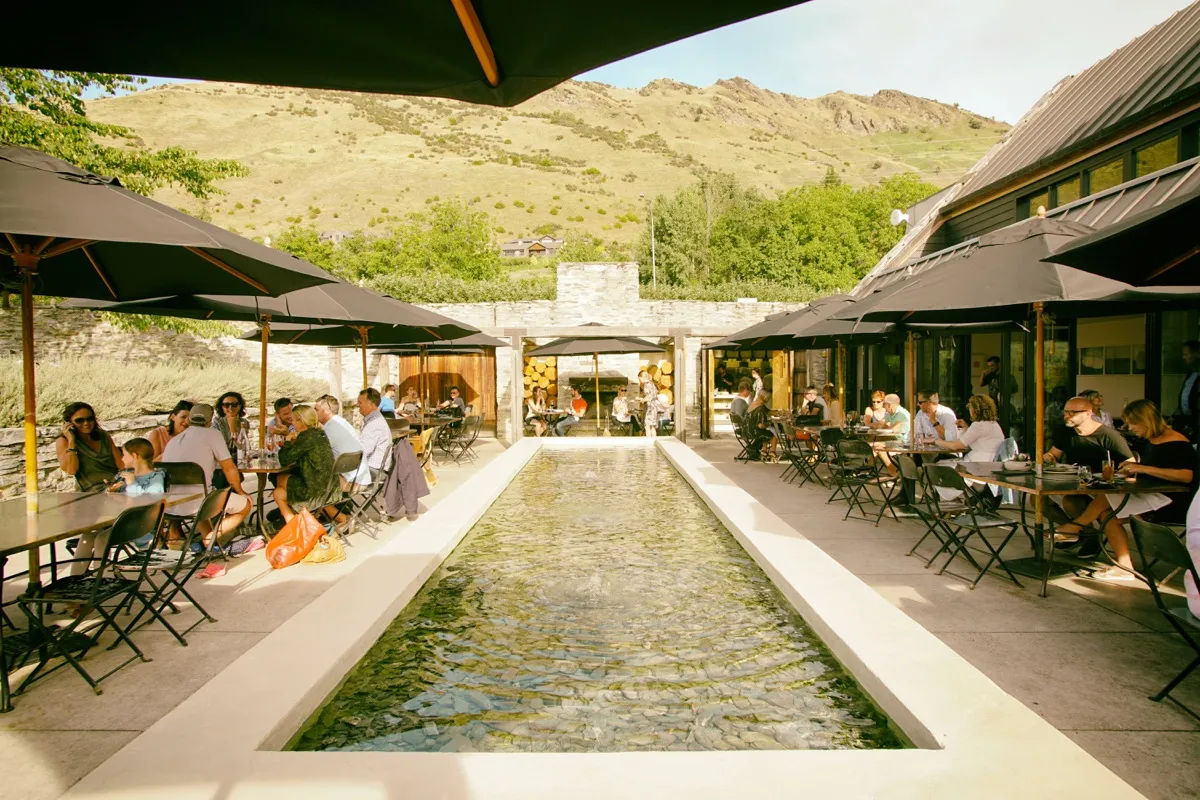
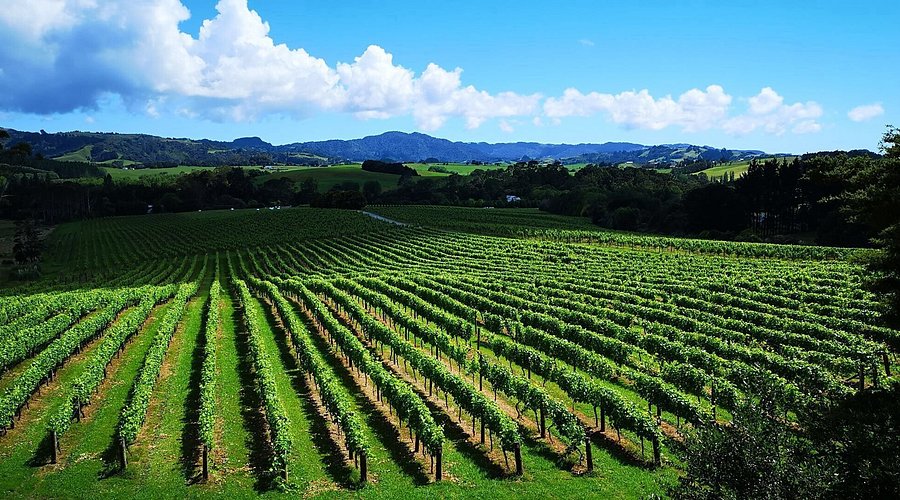
Central Otago is the southernmost wine region in the world, and Gibbston is its coolest, highest sub-region—a place where pinot noir is grown at the edge of what is agriculturally sensible, which is precisely why it tastes the way it does.
Late summer and early autumn bring the fruit in, and a cellar door in March has an energy that a cellar door in July simply does not.
The most rewarding way to do it is the least ambitious. Three producers, unhurried, with a driver. Six in a day is a tasting itinerary. Three is a wine experience.
The Central Otago region extends well beyond Gibbston to Bannockburn and the Cromwell Basin, and for anyone with a real interest, a full day heading east is time far better spent than a second day on the lake.
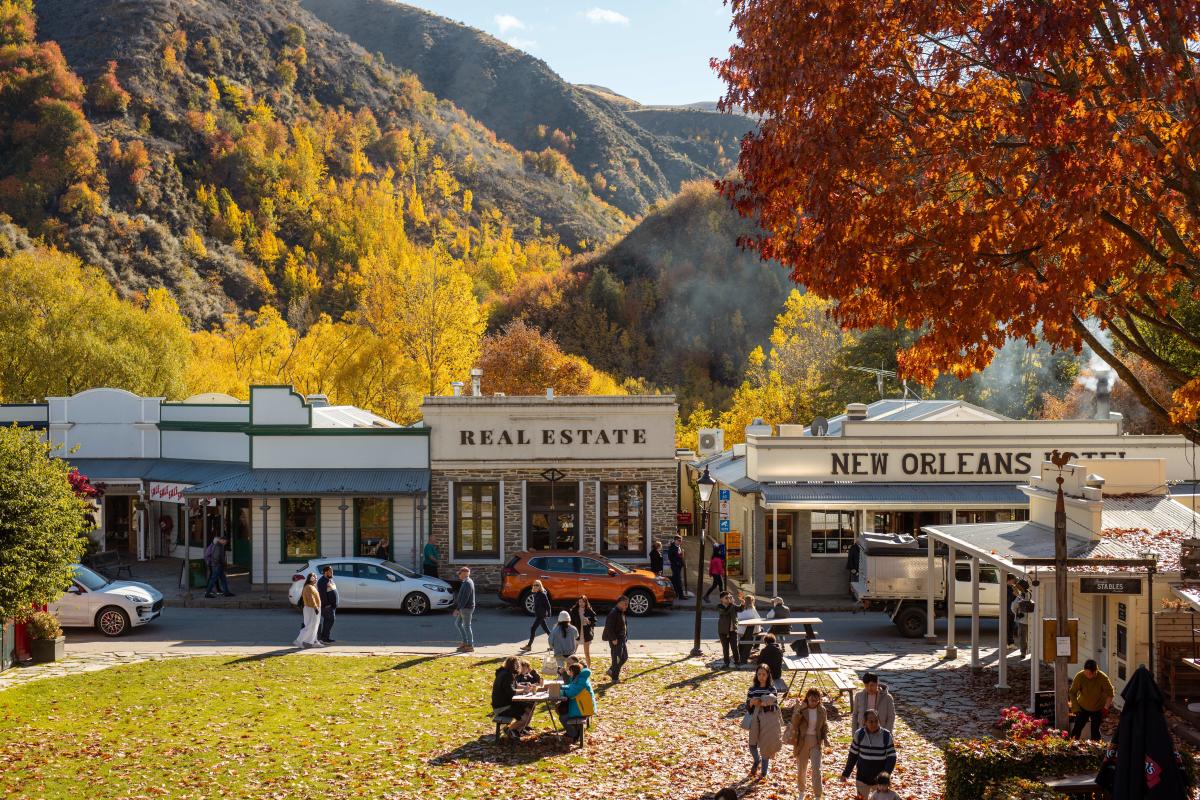
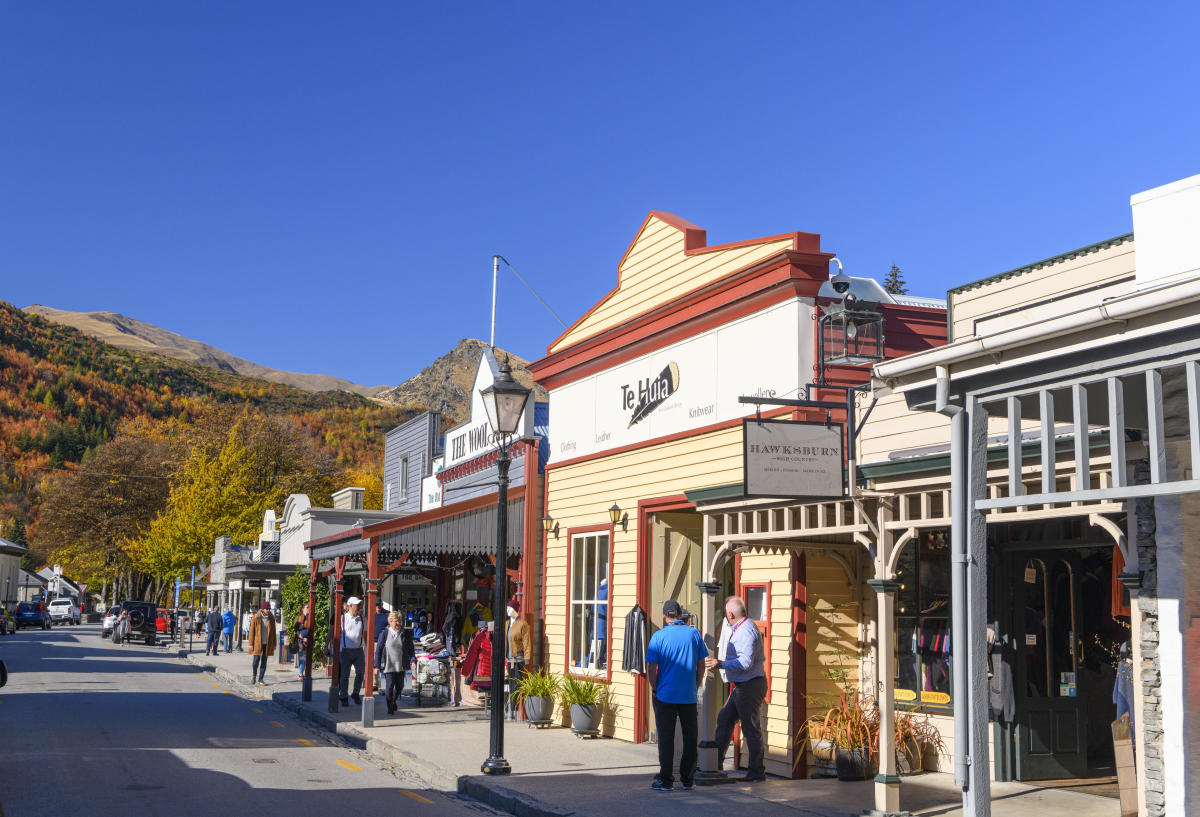
5. Arrowtown and the Trails That Lead There
Twenty minutes from Queenstown by road, and rather more rewardingly, about two hours by bike.
The Queenstown Trail is a 130-kilometre network of largely off-road, mostly grade-two riding that connects Queenstown, Lake Hayes, Arrowtown and Gibbston. It is the rare piece of infrastructure that changes how a place is experienced.
The Arrow River Bridges Trail runs 13.7 kilometres from Arrowtown to Gibbston across five bridges, including a historic suspension crossing of the Kawarau, and joins the nine-kilometre Gibbston River Trail through the vines past Peregrine, Gibbston Valley and Mt Rosa.
Which means you can ride from a gold-rush village to a cellar door, have lunch and be collected. The eight-kilometre Lake Hayes loop is the shorter, flatter option, with The Remarkables laid out across the water the entire way.
On foot, Arrowtown is just as well served. The Arrow River Trail follows the water out of the village on an easy, undulating path. The Sawpit Gully loop is seven kilometres and two to three hours, climbing high above the river through old gold workings, and is best walked anticlockwise. Tobins Track is the steady climb out of town for a view back over the whole basin.
The village itself is small enough to walk end to end in twenty minutes and interesting enough that you will not. Buckingham Street runs on independent boutiques, galleries, jewellers working with local gold and a scattering of long-standing family businesses rather than the chains found elsewhere.
The coffee is roasted on the street it is served on. The restaurants punch a long way above a village of this size, from Spanish tapas to northern Italian to a garden café in a restored cottage, and there is a confectionery shop that has been quietly undoing people’s willpower since 2004. Our Queenstown dining guide covers all of it properly.
One practical note: Central Otago is a dry inland climate with very high UV and almost no shade on the trails. Start early, carry more water than feels necessary and take the sun seriously.
Allow half a day. Most people allow an hour and regret it.
6. Milford Sound and Fiordland
The question is not whether to go. It is how.
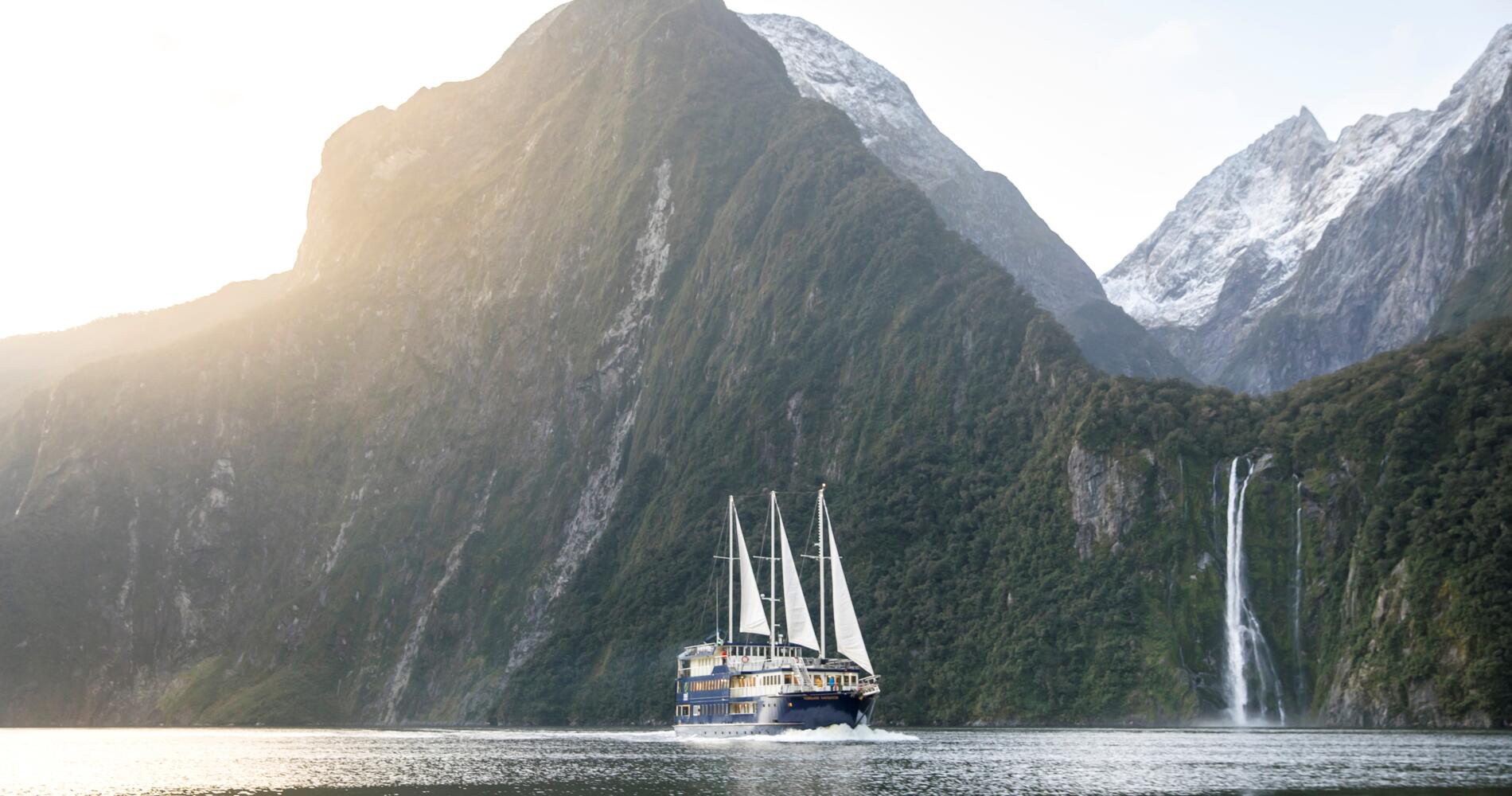
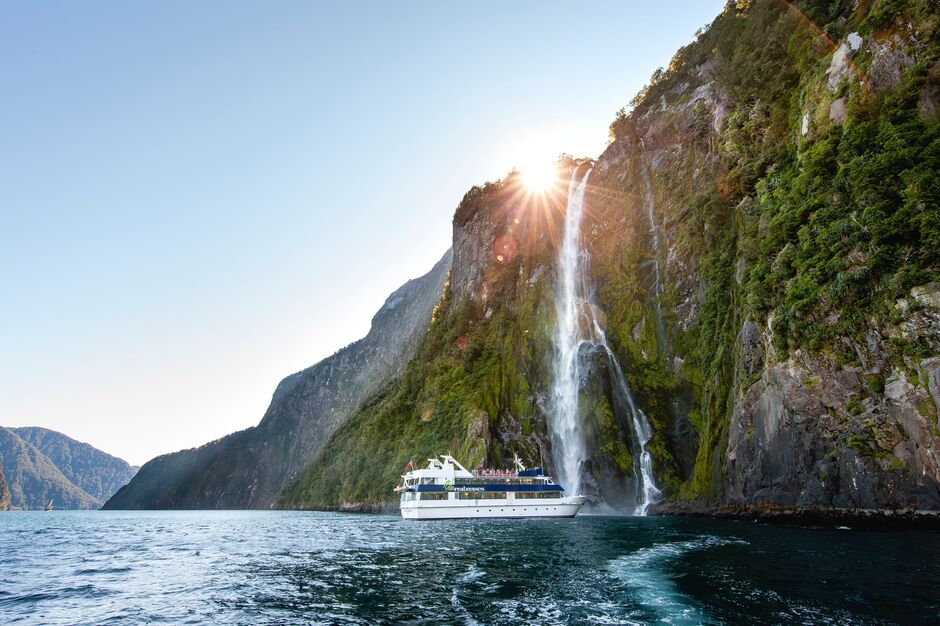
By road, Milford Sound is roughly three and a half to four hours each way from Queenstown—a twelve-hour day, most of it in a vehicle, on one of the most beautiful drives in New Zealand. Done well, with an early start and a driver who knows where to stop, it is a legitimately great day. Done as a coach transfer in peak season, it is a long one.
By air, it is a different proposition entirely: around forty minutes each way over the Southern Alps, often with a landing at the sound and a cruise before returning. It converts a full day into a half day and gives you the view that the road cannot.
One expectation to set: Fiordland is one of the wettest inhabited places on earth, and rain is not the exception. It is what makes the walls run with waterfalls. The travellers who come away most impressed are frequently the ones who went on the wrong-looking day.
One Thing to Take From This
Summer in Queenstown gives you more hours and more company in equal measure.
The travellers who get the most from it are not the ones who fit the most in. They are the ones who choose fewer things, start earlier and stay somewhere that makes the end of the day as good as the middle of it.
In a valley this small, that last part is the constraint. The properties worth having are a finite set, and the summer window is committed a long way out.
If a southern summer is on your horizon, it is worth starting the conversation early.
Summer in Queenstown gives you more hours and more company in equal measure.
Choose the right stay before the long days arrive
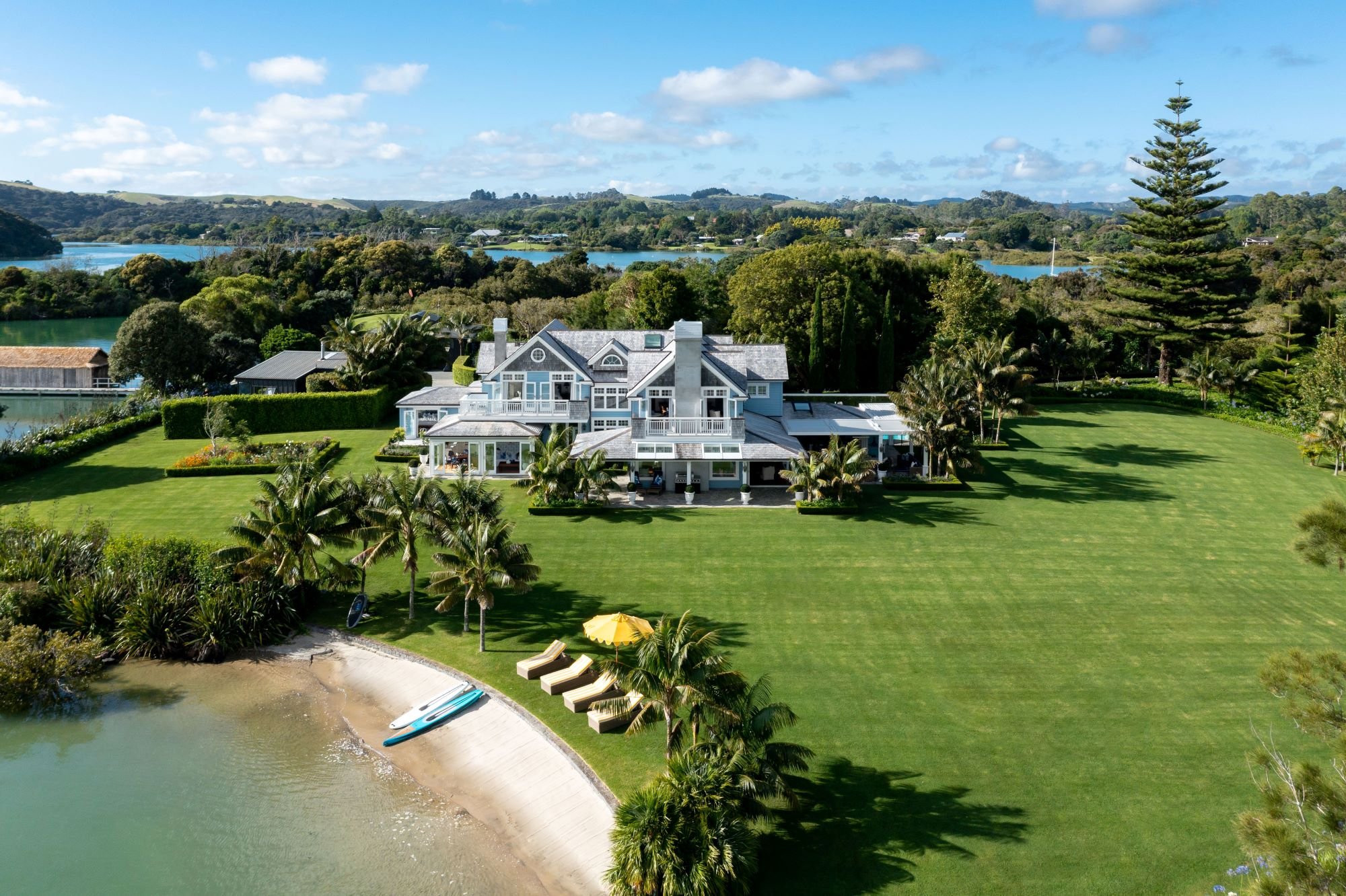
The best Queenstown summer properties are a small and sought-after set. Secure the right base early, then build the lake, mountains, wine country, historic villages and Fiordland around it.
By Stay Luxe